Plumbing Alternative News in Global Movements

Plumbing setups keep changing because of environmental pressures and new tech that cuts waste without messing up daily water service. The push comes from a wider effort to build systems that hold up over time yet still move water reliably in homes and offices. Older setups often leaked or drained poorly, so updating them trims bills and eases the load on treatment plants.

Pipe Cleaning Methods Are Changing

Older fixes for clogs usually meant digging up pipes and swapping them out, which took plenty of work and new materials. Newer ways clean from the inside instead, restoring flow without pulling sections apart. One approach shoots controlled jets of water at high pressure to break up blockages and scrub the walls clean. It starts with a quick check of the whole network to find where the problem sits, then workers feed in the right gear and adjust the pressure to match the pipe’s age and size.

The water knocks loose the gunk and carries it away through the existing path. And it leaves floors and yards alone. Pressure has to be just right. Too low and stuff stays stuck. Too high and old pipes can crack. The operator watches how the water moves through the line and changes the nozzle angle when needed. This way the cleaning reaches spots that sit around bends without forcing the pipe open. It matters because one missed spot can grow back into a full clog within months and force another visit.

Updated Materials Last Longer

Many places now favor pipe materials that fight corrosion and scale better. Cross-linked polyethylene and some composites bend without breaking and stand up where older metal lines give out. They cut down on leaks from temperature shifts or reactions with the water itself.

Fewer joints go in during installation, and the connections are fused solid. Those bonds hold up under changing pressure. The payoff shows later in lower repair needs and steadier performance even when water quality varies. Buildings with uneven use, like offices that empty and fill fast, see the difference most. A school building might see almost no flow during breaks then heavy use again when classes restart. The new materials keep the joints tight through those swings so water pressure stays even and no drips show up later in walls or ceilings.

hand pours white baking soda small

Trenchless Fixes Gain Ground

Options that skip major digging keep drawing interest. Methods like pipe bursting or lining slip fresh material in through small access points. The liner then expands to seal cracks and strengthen weak spots from within.

Calculations on pipe size and fit have to be exact. Gear gets set to spread pressure evenly so the new layer bonds without leaving thin spots. Those thin spots are what usually fail first.

Why Scheduled Cleaning Helps

Regular internal cleanings stop buildup before it shrinks capacity or causes sudden breaks. Maintenance timed to actual use patterns, not just after trouble starts, keeps things running smoother and stretches how long the pipes last.

A camera check comes first to record the current state. Then targeted pressure clears the layers. Another look confirms flow is back to normal, and notes get filed for next time. This kind of planning fits the wider move toward fixing issues early rather than waiting for problems.

Hydrojetting Fits Into Modern Maintenance Plans

Hydrojetting handles both loose debris on the surface and deeper buildup inside pipes better than many other options. Operators can tweak the pressure and pick the right nozzle for the job at hand, whether that’s roots or scale that’s set hard.

That flexibility works across different pipe sizes and layouts in all sorts of buildings. Pair it with regular inspections and you can stretch the time between heavier fixes. Managers who have added it to their yearly schedule often notice fewer surprises. They can schedule the work during quiet hours and know the system will handle the next rush without issues. The same approach also shows up in homes where one bad clog used to mean calling someone out on short notice. For help carrying it out, True Plumbing & Hydrojetting handles the calibration and checks everything afterward.

Checking Performance After Changes

Once upgrades or cleaning finish, tests show whether the work hit the mark. Readings on pressure and flow plus a visual look confirm the system runs as planned. If something’s off, small tweaks happen before things go back into full use.

open cabinet under white bathroom vanity

Tracking those numbers over time shows patterns that shape later choices on how often to maintain or what materials to pick. After a few rounds, the records help predict what the system will need next.

Why Technician Training Matters

Training quietly decides whether upgrades hold up. Crews have to judge when a pipe can take higher pressure and when an older run needs a lighter touch. Skip that step and even good gear can cause fresh issues while the work is underway.
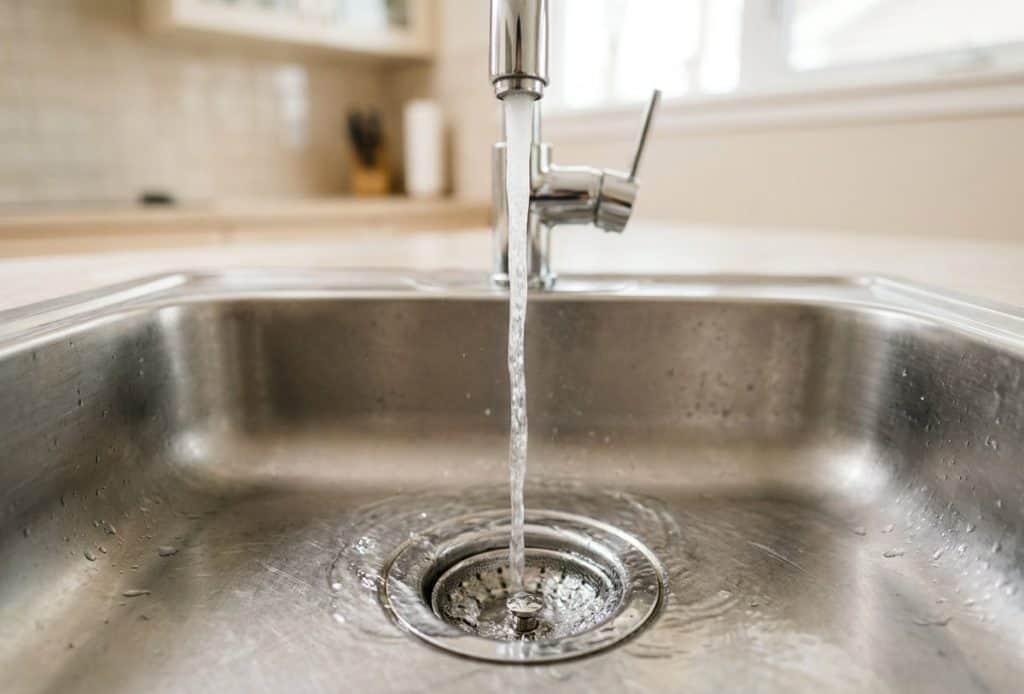
water running chrome faucet swirling down

Where Plumbing Standards Worldwide Are Going

Talks keep moving forward on shared rules from ASHRAE and National Onsite Wastewater Recycling Association that mix performance needs with environmental ones. The focus often lands on better training and gear that works across different places. As the guidelines shift, the goal stays on steady results while using fewer resources.

Refinements to current tools, plus new interest in sensors for monitoring, point to systems that need less hands-on attention yet stay dependable. But real progress still hinges on local teams getting the equipment and knowing the updated steps.
Global Patterns of Human Migration and Mobility

People move across borders for reasons that have stayed fairly steady over decades. Some leave because jobs at home pay too little to support a family. Others go to join relatives who already live abroad. A smaller share moves because of fighting or disasters that make daily life unsafe. These patterns show up in census records and labor surveys from many countries.

What Pushes People to Move

Research on long-term data points to a few steady drivers. Economic gaps between regions matter most for many adults. A worker in a rural area may earn enough to eat but cannot save for a house or education. Moving to a place with higher wages changes that outlook even when the new job is hard. Family ties form another clear driver. Once one member settles abroad, others often follow through legal channels or informal help. Conflict and environmental strain add pressure in certain places, though the share of moves tied only to these factors stays smaller than economic ones in most records.

Governments track these flows through entry permits and household surveys. The numbers shift with policy changes, yet the basic list of reasons holds across continents. Students looking at older datasets notice that economic motives appear in every decade examined.

Paths People Have Taken Over Time

Certain corridors appear again and again in historical records. Movement from southern Europe to northern Europe and the Americas ran strong through much of the twentieth century. Later flows connected parts of Asia and the Middle East to oil-producing states. Within Africa and Latin America, shorter routes link rural zones to nearby cities or neighboring countries where work in agriculture or construction is available.

These paths often follow earlier trade or colonial links, but they also arise from simple geography. A border that is cheaper or safer to cross draws more people than a mountain range or long sea route. Over time some corridors widen when transport improves or when one group already settled abroad sends word back home.

Who Moves and Why It Differs

Migrant groups are not all the same. Working-age adults make up the largest share in most counts, yet children and older relatives travel too. Men have outnumbered women on many labor routes, but the gap narrows when family reunification or service jobs drive the move. Education levels vary by corridor: some streams draw people with university degrees, while others involve workers with only basic schooling.

Age and skill also interact with rules. Countries that need farm labor may accept younger adults without advanced training. Places short on nurses or engineers sometimes adjust entry rules for those with specific training. Because rules change, the exact mix of who crosses any given border can look different from one period to the next.

How Money and Ties Shape Choices

Cost and information both limit or encourage movement. A person must cover travel, documents, and the first months of rent and food. Networks of relatives or friends already abroad reduce some of those costs by offering housing or job leads. Without such contacts the same move becomes riskier and more expensive.

Wages at home and abroad set the basic calculation. When the gap widens, more people consider leaving even if they must borrow to pay for the trip. When the gap shrinks, fewer make the effort. Social factors work alongside money. Language skills, school systems for children, and the chance to visit home all enter the decision. Some families weigh these points for years before anyone packs a bag.

– A young adult may test a short contract abroad first.
– Parents sometimes send one child while keeping others at home.
– Return moves happen when savings goals are met or when family needs change.

These patterns repeat in different regions because the same basic pressures operate. Analysts who study older records see the same balance of cost, information, and family ties appear whether the move covers fifty miles or several thousand.

Historical Evolution of National Border Policies

Borders have not always been fixed lines that people could point to on a map. In ancient times groups often settled near water sources or fertile ground and treated the edge of their fields or grazing land as the limit of their reach. A river might serve as a practical divider because crossing it took effort, yet traders and herders still moved back and forth when it suited them.

Medieval rulers measured control more by the villages that paid them taxes or supplied soldiers than by straight lines drawn on paper. A castle on a hill could mark influence over the valley below, but the exact reach might shift after a harvest or a marriage between families. People who lived near these loose edges learned to deal with more than one set of customs or tolls depending on the season.

Agreements that turned rough areas into marked borders

Over time rulers began to put names to pieces of land in written documents. These early treaties listed towns or landmarks instead of using measurements in miles. One side might give up a strip of forest in exchange for rights to a port. The documents rarely reached every village, so local leaders sometimes kept their own ways of settling disputes until a larger army arrived to enforce the new terms.

As more such papers accumulated, officials started sending surveyors to walk the ground and plant markers. Farmers on either side of a new marker had to decide whether to accept the change or move their animals. In some places the line cut through a single field, leaving part of the crop under different rules for taxes or inheritance.

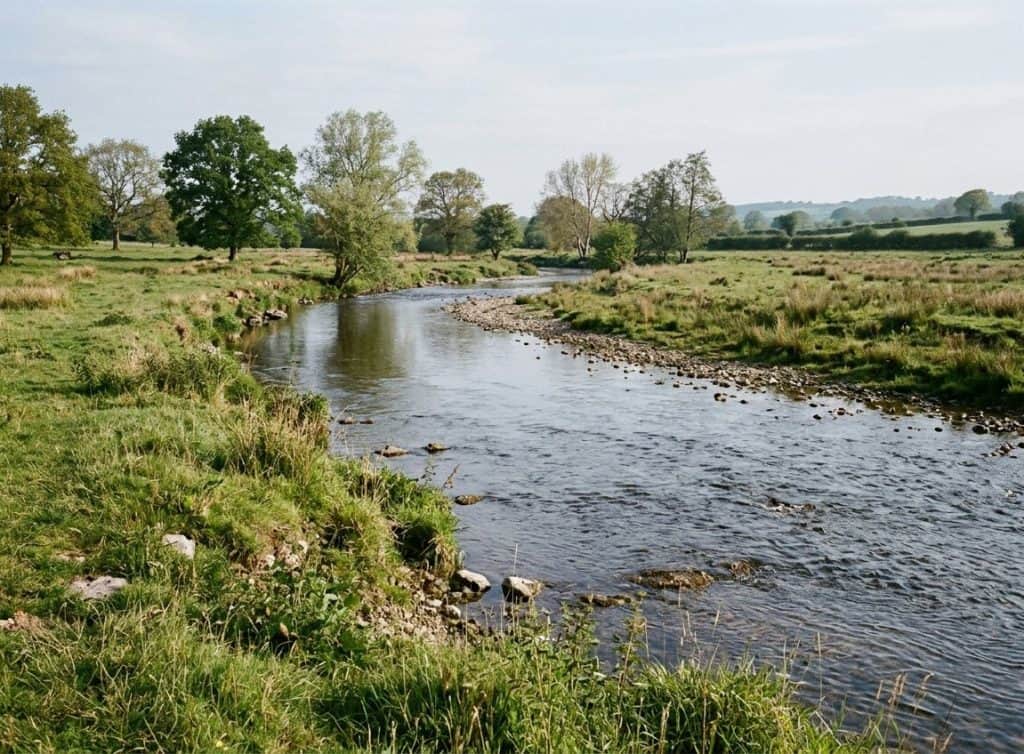
river dividing meadows morning

Expansion, conflict, and the redrawing of distant lands

When one power sent people to settle far from home, the same practice of marking lines continued but on a larger scale. Ships carried instructions to claim coasts or river mouths, often without asking the groups already living there. The new claims overlapped with older ones, and fighting broke out over access to trade routes or timber stands.

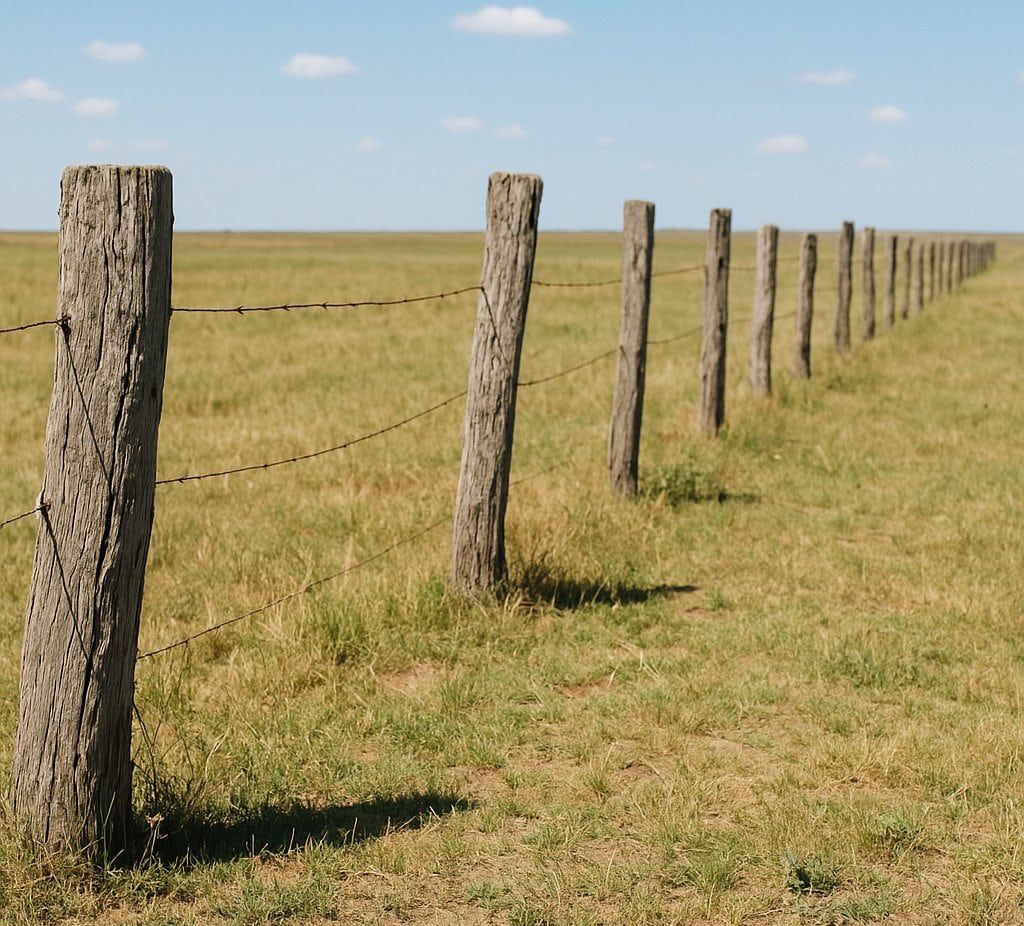
wooden posts grassland boundary

After these fights ended, the winners usually kept the land they had taken and wrote fresh agreements that ignored earlier local arrangements. Families that had moved across what became a new border found themselves dealing with different languages in schools or different rules for selling goods. Some borders stayed quiet for generations while others shifted again after the next round of fighting.

During periods when colonies gained independence, the lines already drawn on maps often stayed in place. New governments used the same markers because changing them risked fresh arguments with neighbors. Villages that had once traded freely across the line now faced checkpoints or different currencies, even when the people on both sides spoke the same language or followed the same customs.

Rules that tried to hold lines steady after large wars

After the middle of the twentieth century, several large meetings produced statements that borders should change only by agreement, not by force. Countries that signed on promised to respect the lines already on the ground, partly to avoid another round of widespread fighting. In practice this meant many lines from earlier colonial periods remained, even where local populations had little say in where they ran.

Officials began to keep records of who crossed and why, using papers that listed names, dates of travel, and reasons for movement. A person who wanted to visit relatives on the other side might need permission that had not existed a few decades earlier. Over time these records grew into systems that tracked daily traffic at road crossings and rail stations.

Some borders saw regular small adjustments when rivers changed course or when two governments swapped small pieces of land to straighten a road. Others stayed fixed for long stretches because neither side wanted to reopen old talks. Travelers learned to carry extra documents and to expect delays at certain points, while trade in everyday goods like grain or cloth continued under whatever rules the current papers allowed.

How daily movement changed under newer systems

People who once crossed a field or a shallow river to reach a market now had to show identification at an office. In some regions this slowed the flow of goods enough that families began to grow more of their own food instead of relying on neighbors. In other places officials set up regular market days where both sides could meet under supervision, keeping some older patterns alive in limited form.

Legislation in many countries added requirements for work permits or residency papers that applied even to short stays. A worker who followed seasonal crops across what had been an open area now needed stamps in a booklet before leaving home. These rules varied from one border to the next, so someone moving along a long frontier might face different checks every few dozen miles.

The result is that lines once treated as suggestions have become places where papers and fees shape ordinary travel and trade. Local stories still recall when the same ground could be crossed without stopping, yet current practice treats each crossing as a matter that needs official notice.

Roof Repair for No Border Camp Organizers

Organizing no border camps often involves setting up temporary or semi-permanent shelters that must withstand varying weather conditions over extended periods. Maintaining the integrity of roofs on these structures is essential for keeping participants dry and safe while preventing further deterioration that could compromise the entire setup.

Finding the Damage

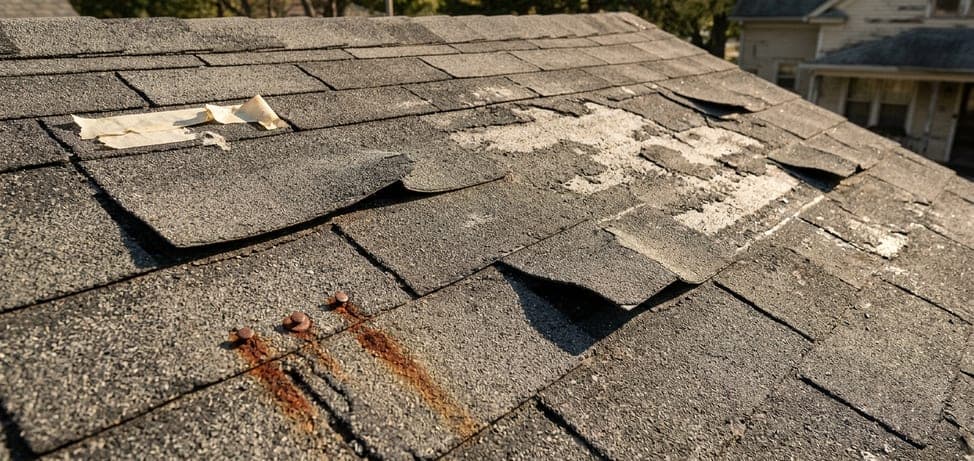
A thorough inspection begins at ground level before ascending to the roof surface. Look for visible signs such as sagging sections, missing or displaced covering materials, and water stains on interior ceilings. Use binoculars to examine higher areas without immediate climbing. Once on the roof, check for granule loss on asphalt surfaces or corrosion on metal panels. Document every observation with notes and photographs to track changes over time and prioritize repairs based on severity. Leaks rarely occur exactly where water appears inside the structure. Trace moisture paths upward from interior stains to locate entry points, which may involve flashing around vents, chimneys, or skylights. Test suspected areas during dry weather by spraying water from a garden hose in controlled sections. This method reveals gaps in seals or cracks in the underlayment.

That alone can save hours of wasted effort later.

roofing without borders

Material Selection and Preparation

Select replacement materials that match the existing roof type to maintain uniform performance. For asphalt shingles, choose the same weight and color grade. Metal roofs require compatible panels and fasteners rated for similar expansion rates from the MCA. Gather tools including a utility knife, roofing nails, and a ladder with stabilizers so it stays put once you’re twenty feet up. Prepare the work area by clearing debris and ensuring stable footing with safety harnesses secured to solid anchors.

Step-by-Step Repair Techniques

Begin with minor fixes such as replacing individual damaged shingles. Lift the overlapping shingle above the damaged one, remove nails with a pry bar, and slide a new shingle into place before securing it. For larger sections, cut away the affected area and install new underlayment before layering fresh covering. Apply sealant generously around fasteners and edges to create a waterproof barrier. On metal roofs, tighten loose screws and replace corroded sections with matching panels, ensuring overlaps follow the direction of water flow.

Steps to Make Repairs Last

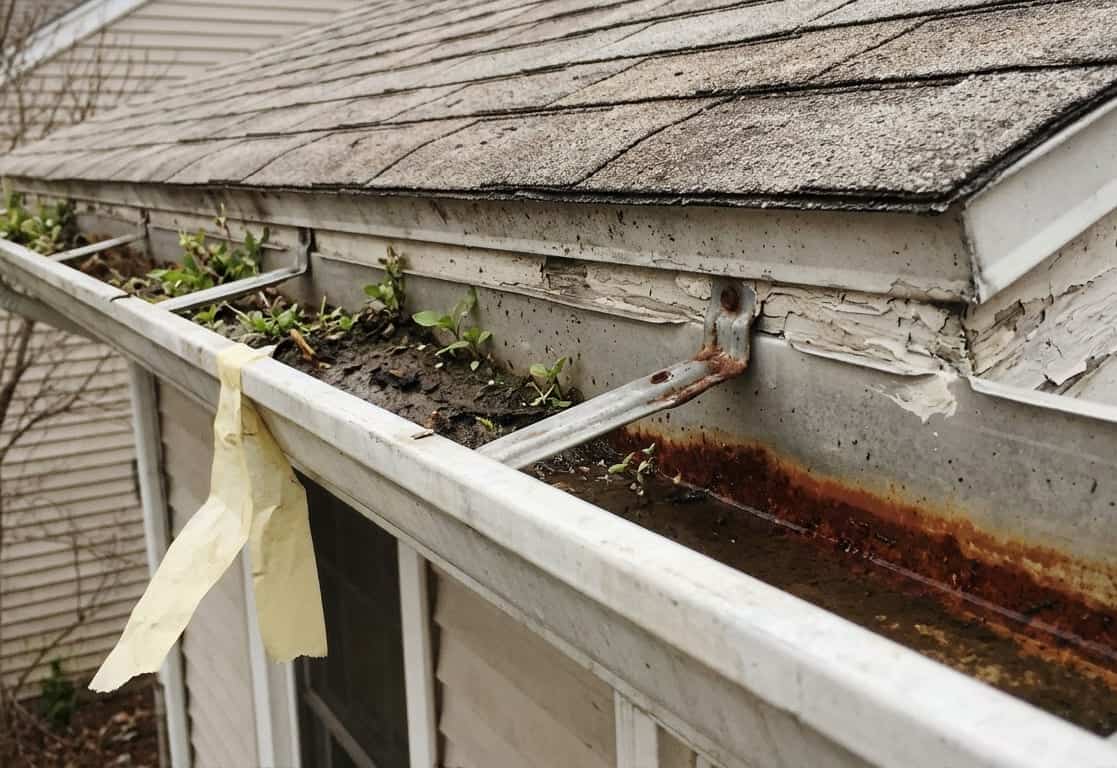
Regular cleaning removes organic material that retains moisture and promotes decay. Install gutter guards to reduce clogging and direct water away from the foundation. Apply protective coatings designed for the specific roof material every few years to extend service life. Monitor ventilation systems to prevent heat and moisture buildup in attics, which can degrade insulation and framing over time. See heatisland.lbl.gov for additional insights.

noborder camp roofing

When It’s Time to Call in Help

While many small issues can be addressed with basic tools and careful technique, structural concerns such as widespread rot or compromised decking require specialized equipment and expertise. In these situations, engaging qualified contractors ensures compliance with safety standards and proper integration of new components. Organizers facing repeated or complex problems benefit from consulting established providers like
Nez Perce County Pro Roofing Services for assessment and execution that aligns with the demands of camp infrastructure. Their approach emphasizes systematic evaluation followed by targeted interventions that minimize disruption to ongoing activities.

Documentation and Follow-Up

After completing repairs, record all actions taken, materials used, and dates of service. Schedule follow-up inspections at regular intervals to verify that fixes remain effective. This record-keeping supports future planning and helps identify patterns that may indicate the need for more comprehensive upgrades. Consistent attention to these details keeps shelters functional and reduces the likelihood of emergency interventions during critical periods.

Technological Tools Used in Border Management

Physical barriers form the most visible part of many border setups. Engineers often start with soil tests and drainage plans so that water does not undermine the structure over time. A typical fence might rest on a concrete footing several feet deep to stop people from digging under it with hand tools. Posts are spaced close enough that the mesh or panels cannot be easily bent or cut with common wire cutters. In places where the ground slopes, builders add stepped sections or angled supports rather than letting the fence follow the hill too loosely. Materials vary by location. Some lines use welded steel mesh that resists bolt cutters, while others rely on concrete panels that are simply too heavy to move without machinery. Maintenance crews check for rust or cracks on a regular schedule because small gaps can widen after a few seasons of weather.

Surveillance and Detection Technologies

Cameras mounted on poles or towers give operators a view of stretches of land that would otherwise require many people on foot. Fixed cameras often work alongside pan-tilt-zoom models that can be moved from a control room. At night or in fog, thermal cameras pick up heat signatures instead of visible light, so a person walking through brush still registers on the screen. Motion sensors buried along trails or attached to the fence itself send signals when the ground vibrates or the wire moves. These sensors do not always distinguish between an animal and a person, so operators learn to watch the pattern of alerts over several minutes before sending a patrol. Radar units placed at higher points can track vehicles or small boats across open water or flat terrain, giving a rough distance and speed reading. Some systems combine several of these tools into one display so that an alert from a sensor automatically brings up the nearest camera view.

Identity Verification at Crossing Points

At official entry points, officers compare a traveler’s document against records held in computer systems. Scanners read the machine-readable zone on a passport or visa, pulling up basic details such as name, date of birth, and issuing country. Fingerprints or facial images may be taken on the spot and checked against a watch list or previous entry records. The process takes longer when the system needs to query a central database that sits in another city or country. In some locations the check happens in seconds; in others the connection is slower or the database is updated only once a day. Officers also look at the physical condition of the document itself for signs of alteration, such as mismatched fonts or lifted laminates. When a mismatch appears, the traveler may be directed to a secondary area for more questions while the system finishes its search.

Data Exchange Between Countries

Countries that want to coordinate their checks often agree on common data formats so that one nation’s computer can read another nation’s records. Passport information follows layout rules set by an international civil aviation body, which means the same fields appear in roughly the same order on documents from many different states. Fingerprint templates are sometimes stored in a standard size and encoding so they can be compared without first converting the file. Not every pair of countries shares the full set of records. Some exchange only the basic details of recent border crossings, while others limit the exchange to names on watch lists. When the connection between systems goes down, staff fall back to paper lists or telephone calls until the link is restored. Updates to these shared lists happen at different speeds depending on the agreement in place.

Challenges in Keeping Systems Running

Equipment exposed to sun, dust, or salt air needs regular cleaning and part replacement. A camera lens covered in pollen or a sensor clogged with mud will miss events until someone inspects it. Power supplies in remote areas often rely on solar panels and batteries, which lose capacity after a few years of daily charging cycles. Staff training matters as well, because an operator who does not know how to adjust camera focus or interpret a radar track may overlook a real movement. When new hardware is added, older software sometimes needs patches so the two can still exchange data. These maintenance tasks continue year after year, regardless of policy changes higher up.

Some border areas test low-power radio links to send sensor data without running new cables across difficult ground. The range and reliability of these links depend on terrain and weather, so crews keep spare batteries and backup radios on hand.

Addressing Rodent Control Needs in Tucson, Arizona Neighborhoods: Border Communities and Public Safety

Living in Tucson means embracing the beauty of the Sonoran Desert, the warmth of our community, and yes, the unique challenges that come with our geography and climate. As someone who’s spent years serving families and businesses across this wonderful city, I’ve seen firsthand how rodent issues can affect not just individual homes, but entire neighborhoods and the broader public health landscape. Today, I want to talk about something that doesn’t always make headlines but matters deeply to our community: how rodent control intersects with public safety, especially in our border communities.

Understanding Tucson’s Unique Rodent Challenges

Tucson sits in a special place, both geographically and ecologically. We’re nestled in a desert valley surrounded by mountains, with neighborhoods that range from historic barrios to sprawling suburban developments. Our proximity to the international border, combined with our desert climate and urban development patterns, creates conditions where rodent populations can thrive if we’re not vigilant.

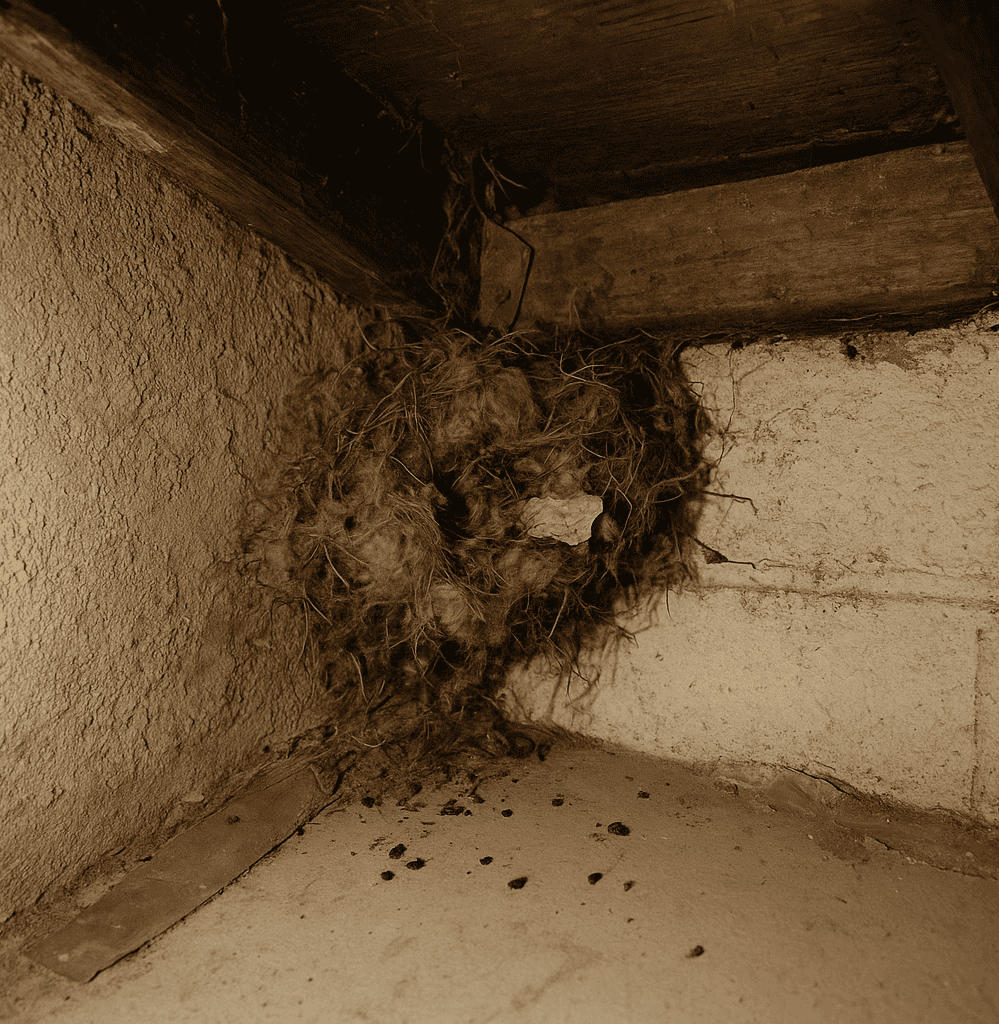
The rodents we deal with here aren’t just a nuisance—they’re a genuine public health concern. Roof rats, Norway rats, pack rats, and various mouse species all call Tucson home. These creatures can carry diseases, contaminate food supplies, damage property, and create fire hazards by chewing through electrical wiring. In border communities particularly, where resources may be stretched thin and housing stock varies widely, these problems can become amplified.

The Border Community Factor

Our neighborhoods near the border face unique pressures that can exacerbate rodent problems. Increased foot and vehicle traffic, vacant properties, older infrastructure, and sometimes limited access to regular pest control services all contribute to conditions where rodent populations can explode.

I’ve worked with families in areas like South Tucson, Flowing Wells, and neighborhoods near the San Xavier District who’ve dealt with persistent rodent problems that seem to come in waves. Often, these aren’t isolated household issues—they’re community-wide challenges that require coordinated responses.

What breaks my heart is seeing hardworking families struggle with problems that affect their children’s health and their sense of security in their own homes. A mother once told me she couldn’t sleep at night hearing rats in her walls, worried about her baby’s safety. That’s not just a pest problem—that’s a quality of life issue that no family should have to endure.

Public Health Implications We Can’t Ignore

The connection between rodent control and public health is clear and well-documented. Rodents can transmit diseases like hantavirus, leptospirosis, and salmonellosis. Their droppings, urine, and shed fur can trigger allergies and asthma, particularly in children. When rodent populations go unchecked in densely populated areas, the risks multiply. Researchers have run long-term hantavirus reservoir studies across the southwestern United States since the 1993 outbreak, and the deer mouse populations they track are the same ones living around Tucson homes.

In border communities where housing density can be high and some properties may not receive regular maintenance, these health risks become community concerns. Professional services like Tucson Rodent Control play a vital role in protecting public health by helping families address infestations before they spiral out of control and potentially spread disease throughout neighborhoods.

I’ve seen situations where a single heavily infested property becomes a source point for rodent problems throughout an entire block. The rodents don’t respect property lines—they travel through walls, attics, and underground burrows, spreading from home to home. This is why community-wide awareness and action matters so much.

Infrastructure and Environmental Factors

Tucson’s infrastructure presents both challenges and opportunities when it comes to rodent control. Older neighborhoods, particularly those built before modern building codes, often have more entry points and vulnerabilities. Cracked foundations, gaps around utility lines, and deteriorating structures create highways for rodents to move through communities.

Our monsoon season brings another dimension to the problem. When summer rains arrive, rodents that normally live in desert areas seek shelter in human structures. Suddenly, homes that never had rodent problems find themselves dealing with unwanted guests. In areas with aging stormwater infrastructure, these seasonal influxes can be particularly severe.

activist documentation of desert dwelling infiltration

The urban-desert interface where many Tucson neighborhoods sit also means we’re constantly balancing human habitation with native wildlife. Pack rats, in particular, are native to our area and play important ecological roles—but they don’t belong in our homes and businesses.

Community-Based Solutions That Work

Addressing rodent problems in border communities and throughout Tucson requires a multi-faceted approach. Individual homeowners doing their part is essential, but we also need community education, coordinated neighborhood efforts, and support from local government and public health authorities.

Education and Awareness

Many people don’t realize they’re creating conditions that attract rodents. Simple things like:

  • Securing trash in rodent-proof containers
  • Removing fallen fruit from citrus trees promptly
  • Storing pet food in sealed containers
  • Eliminating standing water sources
  • Keeping vegetation trimmed away from structures
  • Sealing entry points around pipes and vents

These basic steps, when practiced throughout a neighborhood, can dramatically reduce rodent populations. I always tell people that rodent control is 70% prevention and 30% elimination. If we remove what attracts them and block how they get in, we’ve solved most of the problem before it starts.

Coordinated Neighborhood Action

I’ve seen remarkable results when neighborhoods come together to address rodent problems collectively. Block parties where neighbors share information, community cleanup days that eliminate rodent harborage areas, and neighborhood watch programs that identify problem properties all make a real difference.

In some of Tucson’s border communities, residents have organized volunteer efforts to help elderly neighbors or families facing financial hardship seal up their homes and eliminate attractants. This kind of community solidarity not only solves immediate problems but builds stronger, more resilient neighborhoods.

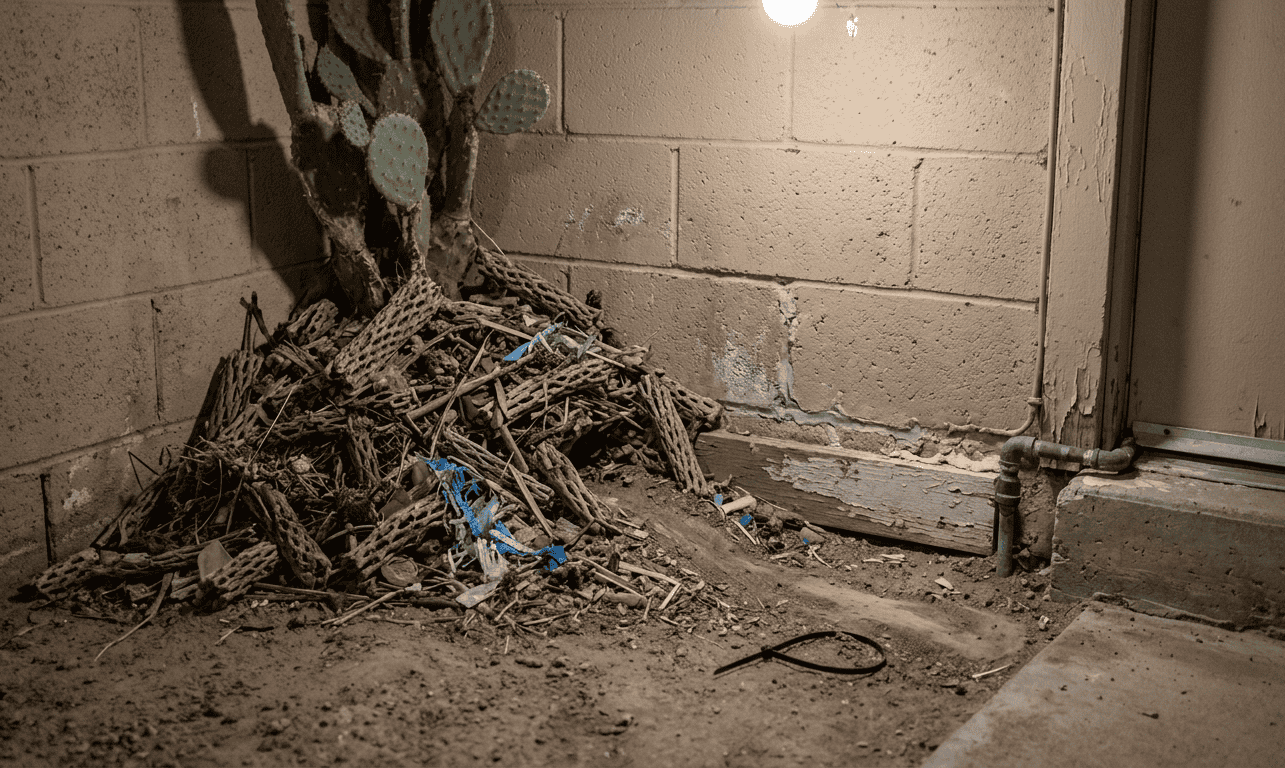
cholla segments and plastic packed into rodent nest

The Role of Professional Services

While prevention and community action are crucial, sometimes professional intervention is necessary. Established infestations require expertise to eliminate completely and safely. Professional rodent control services bring knowledge of rodent behavior, access to effective tools and materials, and the experience to solve complex problems.

For families in underserved communities, the cost of professional services can feel prohibitive. This is why I believe in working with families to find solutions that fit their budgets while still addressing their problems effectively. Sometimes that means focusing on the most critical interventions first, or setting up payment plans that make services accessible. Public health guidance from the Arizona Department of Health Services provides resources and standards that help ensure families receive quality, ethical pest control services regardless of their circumstances.

Looking Forward: Building Healthier Communities

Rodent control in Tucson’s border communities isn’t just about eliminating pests—it’s about creating healthier, safer neighborhoods where families can thrive. It’s about ensuring that every child can sleep safely without the health risks that rodents bring. It’s about preserving property values and community pride.

As our city continues to grow and change, we need to keep these issues in focus. New development should incorporate rodent-resistant design features. Older neighborhoods need investment in infrastructure improvements. Public health education should reach every corner of our community, regardless of language or economic status.

What You Can Do Today

If you’re dealing with rodent problems, don’t wait for them to get worse. Start with a thorough inspection of your property, looking for entry points and attractants. Talk to your neighbors—you might discover you’re all dealing with the same issue, which points to a community-wide source.

Reach out for professional help when you need it. There’s no shame in asking for assistance with a problem that affects so many Tucson families. The sooner you address an infestation, the easier and less expensive it is to resolve.

For those not currently dealing with rodent problems, stay vigilant. Practice good sanitation, maintain your property, and keep an eye out for early warning signs like droppings or gnaw marks. Prevention is always easier than elimination.

Our border communities deserve the same quality of life, health, and safety as every other part of Tucson. By working together—neighbors helping neighbors, professionals providing accessible services, and community organizations supporting vulnerable populations—we can make real progress on this important public health issue. It takes all of us, but I’ve seen what Tucson communities can accomplish when we come together, and I know we can create healthier, rodent-free neighborhoods for everyone.